Introduction
Inside a fridge, the temperature is not the same on every level. The upper shelves form the least cold zone of the appliance (apart from the door), which makes them the ideal spot for ready-to-eat foods: meal leftovers, cooked dishes, opened dairy products, desserts and drinks that are already open. By contrast, the coldest part, just above the crisper drawer, is reserved for the most perishable items such as raw meat and fish.
This article explains why the upper shelves deserve particular attention, which foods to place there, how to store them safely, and how to fit them into your overall organisation. Using this zone well limits waste, improves visibility and reduces the risk of cross-contamination. For a full view of the levels, see also our guide on the ideal temperature for each fridge zone.
Where is the cold in a refrigerator?
In a static-cooling fridge (without a fan), cold air, being denser, sinks. The coldest zone is therefore at the bottom, on the shelf placed directly above the crisper drawer, where the temperature sits around 2 to 4°C. The upper shelves and the door are naturally a little milder. In a fan-cooled (No Frost) appliance, the temperature is more uniform from one level to another, but the storage logic stays the same.
One safety principle overrides everything else: the appliance as a whole should stay at 5°C or below, with a target setting of 4 to 5°C recommended. The upper shelves are simply the least cold, but they should never stay above 5°C for long. The UK Food Standards Agency likewise advises keeping your fridge at 5°C or below. Raw meat, sausages and charcuterie always belong in the coldest part, on the shelf just above the crisper drawer.
Which foods to place on the upper shelves?
Several categories of food are particularly suited to this zone:
Leftovers and cooked dishes: soups, dishes from the day before, already cooked preparations. Placing them at the top keeps them clear of any drips from raw meat stored lower down, and they stay clearly in view. Cover them and eat them within 2 to 3 days. To go further, see our advice on storing leftovers properly.
Opened dairy products: yoghurts, hard cheeses, butter. This moderate-temperature zone suits them well once the packaging is open. Soft cheeses, which are more sensitive, prefer a slightly colder spot.
Delicate foods and desserts: sauces, creams, filled pastries, fresh tarts and cakes, provided they are covered or kept in airtight containers.
Opened drinks needing moderate chilling: opened fruit juices, milk, plant-based milks. If you get through large quantities or worry about a change in taste, move them down one level.
Eggs, for their part, keep well in their original box, on a shelf rather than in the door, where the temperature fluctuates more with every opening.
Good storage practices
To store your food safely and extend its life:
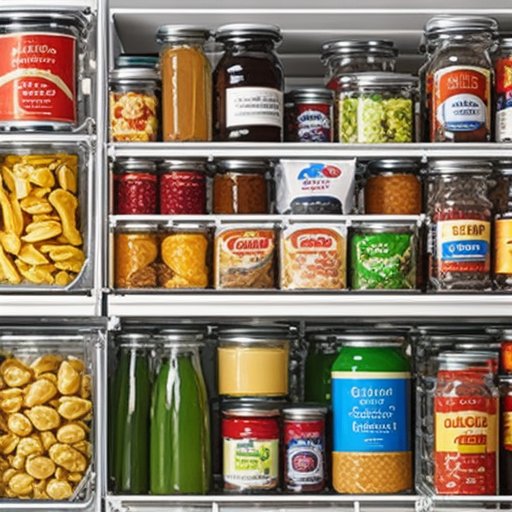
Keep a clear view: use transparent boxes and label them with the preparation date. You can immediately spot what needs to be eaten first.
Let the air circulate: do not pile up too many containers in one place. Good airflow keeps the temperature even.
Separate categories: keep dairy products, cooked dishes and desserts apart so that odours and moisture do not transfer from one food to another.
Cool before storing: let hot dishes cool for a few minutes before putting them in the fridge, so you do not raise the internal temperature of the appliance.
Protect strong-smelling foods: wrap pungent cheeses, sauces and spicy dishes in airtight containers. This also limits the risk of persistent bad odours.
Organising the whole refrigerator
The upper shelves should not be thought of in isolation. For a coherent layout:
- Coldest shelf (above the crisper drawer): raw meat, fish, poultry and charcuterie, in leak-proof containers to avoid spills.
- Middle shelves: unopened dairy products, eggs, foods that need marked chilling.
- Upper shelves: leftovers, cooked dishes, opened products, desserts.
- Crisper drawer: fruit and vegetables, in a more humid atmosphere. See which foods to keep in the crisper drawer.
- Door: the mildest zone, for condiments, commercial sauces and drinks that are not very sensitive.
Do not overload the appliance: an overly full fridge stops air from circulating and creates less cold zones. Also check the state of the door seals regularly, as damaged seals let warm air in and reduce energy efficiency. If they are worn, see how to change the door seal.
Avoiding cross-contamination
The upper shelves mainly hold ready-to-eat foods. They should never come into contact, even indirectly, with raw products destined to be cooked. Cross-contamination is a common cause of food poisoning: splashes or simple handling are enough to transfer bacteria such as salmonella or E. coli.
Wrap food systematically, seal dishes containing cooked meat tightly, and clean up any leak immediately. Favour airtight glass containers, which are easy to clean and almost impermeable to odours. Replace scratched or cracked plastic boxes, which can become breeding grounds for bacteria.
Cleaning and maintenance
Regular upkeep keeps the upper zone and the whole fridge healthy:
- Sort every month: remove the food, check the dates and throw out anything questionable.
- Clean naturally: soapy water is enough in most cases; a little white vinegar degreases and deodorises. Avoid abrasive or harsh products.
- Dry thoroughly: residual moisture encourages mould. Dry every surface before putting the food back.
- Disinfect contact points: seals, handles and drawers are handled often and accumulate bacteria.
For a detailed method, see our guide on how to clean your fridge effectively.
Conclusion
The upper shelves, often overlooked, are the strategic spot for ready-to-eat foods: leftovers, cooked dishes, opened dairy products, desserts and opened drinks. By keeping the appliance at 4 to 5°C, reserving the coldest zone (above the crisper drawer) for raw items, and following a few simple hygiene rules, you limit waste, prevent cross-contamination and extend the freshness of your food. A coherent layout, regular maintenance and suitable containers make all the difference day to day.