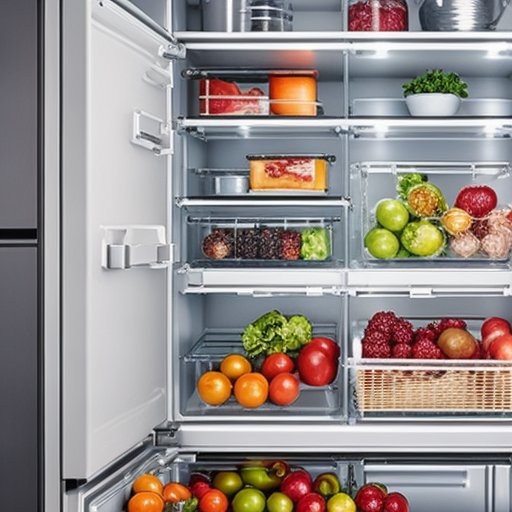
A fridge lasts longer when it is not forced to fight heat, dust, weak door seals or poor airflow every day. You do not need to dismantle it. The useful maintenance is simple: keep the temperature stable, let the condenser release heat, clean the seals and notice early warning signs.
These tips apply to most domestic refrigerators. Always check your model manual for clearance, filters, user-serviceable parts and any manufacturer-specific cleaning advice.
Set the temperature accurately
Food safety and appliance life meet at the thermostat. The USDA says the refrigerator should be set at 40 F or below, about 4 C, and the freezer at 0 F or below, about -18 C. Colder is not automatically better: an unnecessarily low setting can increase energy use, create frost and make the compressor work harder.
Use an appliance thermometer rather than trusting only the dial. Put it in a glass of water on a middle shelf, wait several hours, then adjust gradually. If you want a deeper explanation, read our guide to the best refrigerator temperature and our seasonal notes on the ideal fridge temperature in summer and winter.
Keep the condenser clear
The condenser releases heat from the cooling system. When coils or grilles are covered with lint, dust or pet hair, the refrigerator has to run longer to hold the same temperature. The U.S. Department of Energy recommends cleaning refrigerator coils every six months to a year, more often if there are shedding pets. Whirlpool also advises unplugging the appliance before cleaning accessible coils and checking the model manual first.
A safe routine:
- Unplug the fridge or switch off the circuit breaker.
- Remove the base grille or reach the back only if your manual allows it.
- Use a vacuum brush or soft coil brush without bending fins or pulling tubing.
- Restore power and check that the fridge returns to a stable temperature.
Do not force sealed panels. Some modern models need no user coil cleaning, while others require a certified technician.
Check the door gasket
A tired gasket lets warm, humid air enter. The fridge then runs more often, frost builds up faster and food temperatures become less stable. Clean the gasket folds with warm soapy water, rinse lightly and dry them well.
Use the paper test: close the door on a sheet of paper. If the paper slips out with no resistance in several places, check that the fridge is level and that no shelf or bottle is blocking the door. If the gasket is cracked or distorted, our guide to changing a refrigerator door gasket explains what to check before ordering a part.
Clean the inside without harsh treatment
Interior cleaning prevents odours, mould and sticky spills from getting into runners and seals. Empty one section at a time, keep perishable food cold, remove shelves and bins, wash them with warm soapy water and dry everything before reassembling.
Avoid knives, metal scrapers and very hot steam on cold plastic liners. For a more detailed method, see how to effectively clean your refrigerator.
Defrost before frost becomes insulation
If your model has no automatic defrost, a thick frost layer makes heat transfer worse and reduces useful space. Defrost when frost becomes visible and heavy, or as your manual recommends. Unplug the fridge, move food to a cooler and let ice melt naturally. A bowl of warm water can help, but never chip ice with a sharp tool.
If frost returns quickly, look for a door that is not closing, a damaged gasket or a thermostat set too low.
Load it so air can move
An overfilled fridge blocks cold-air circulation. A nearly empty fridge warms quickly each time the door opens. Aim for a stocked but breathable layout, with air vents clear and heavy items away from the door.
Keep raw meat or fish in sealed containers low down, cover leftovers and avoid putting sensitive foods in the warmest door shelves. Our fridge organisation guide gives more detail on arranging zones without overloading them.
Daily habits that reduce wear
- Let very hot dishes cool before refrigerating them, without leaving perishable food out for too long.
- Open the door briefly, especially in summer.
- Keep the fridge away from ovens, radiators and direct sun.
- Respect the ventilation gaps in the manual.
- Watch for new noises, continuous running, water under the appliance and temperature drift.
These habits also reduce energy use. For more on that, see our guide to reducing refrigerator energy consumption.
When to call a professional
Call a technician if the compressor runs constantly, the fridge cannot stay cold, you smell burning, the circuit breaker trips, or the sealed refrigeration circuit may be damaged. Do not try to recharge gas, solder tubing or open a refrigerant circuit yourself.
For an older appliance, compare the repair estimate with age, parts availability and yearly energy consumption. A gasket or fan may be worth replacing. A failed compressor out of warranty on a very old fridge needs a careful cost comparison.