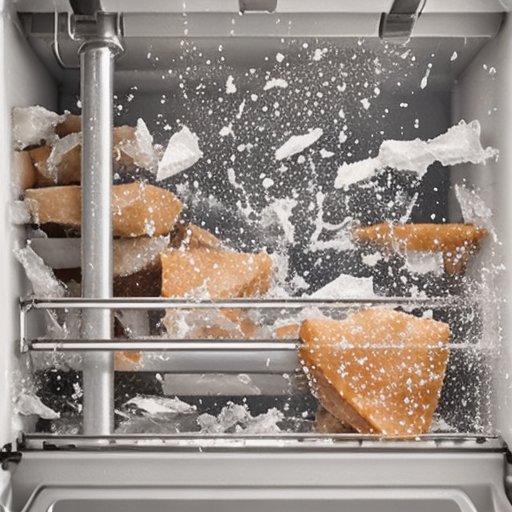
Defrosting is an often overlooked maintenance task, yet it matters more than people think. A layer of frost acts like insulation on the cold walls, so the compressor has to run longer to hold the temperature, which pushes up energy use. Even a few millimetres of frost can raise your electricity bill by around 10 percent, and a thick layer can increase consumption far more while cutting the available cooling (E.ON Next). Here is how to defrost quickly, without harming the appliance or your food.
When Should You Defrost?
The rule is simple: once the frost is more than 3 to 5 mm thick, it is time to act. Manufacturers often suggest defrosting every six months, but it is the thickness of the ice that should decide, not the calendar.
Good news if your appliance is recent: no frost refrigerators defrost automatically and never need manual defrosting. This method mainly concerns static-cooling models. If your fridge frosts up unusually fast, the cause often lies elsewhere: see why your fridge builds ice on the back wall.
Turn It Off and Empty It
Unplug the refrigerator or switch it off at the thermostat. Take out all the food and place it in a cooler with ice packs or frozen gel packs.
Keep food safety in mind: perishable items (meat, fish, dairy, cooked dishes) should not sit for more than two hours between 4 and 60 °C, the range where bacteria multiply quickly. Above 30 °C, that window drops to one hour (USDA FSIS). A well-packed cooler solves this and lets you work without rushing.
Speed Up Melting With Gentle Heat
Place a bowl of hot water inside and close the door for a few minutes: the steam softens the frost and speeds up melting noticeably. Refresh the water as needed. Lay a towel and a shallow tray at the bottom of the appliance to catch the meltwater.
Avoid pouring boiling water directly onto glass shelves, as thermal shock can crack them, and never bring a hair dryer near running meltwater: mixing electricity and moisture is dangerous.
Never Use Metal Objects
To loosen the ice, use only a plastic or wooden spatula, gently. A knife, screwdriver or metal scraper can pierce the evaporator and let the refrigerant escape, which means a permanent and expensive breakdown. Let the ice come away on its own rather than forcing it.
Dry, Then Plug Back In
Once all the ice has melted, wipe the inside thoroughly. A damp wall encourages mould, odours and immediate re-frosting. Plug the appliance back in and wait for it to reach temperature (allow a few hours) before returning the food.
Stopping the Frost From Coming Back
- Check the door seal: a worn gasket lets humid air in. See how to change the door gasket.
- Do not open the door unnecessarily, and close it firmly.
- Let hot dishes cool before putting them away.
- Do not set the cooling colder than needed; regular defrosting often does more for your fridge's daily consumption than a thermostat turned to maximum.
Conclusion
Defrosting is nothing complicated: switch off the appliance, protect the food in a cooler, help the melting along with a little gentle heat, ban metal tools, then dry thoroughly. Done regularly, this simple habit extends the life of your refrigerator and lowers its energy use. For a larger fridge freezer, follow our detailed method to defrost a fridge freezer effectively.
See you soon for more tips on Refrigerator.ch!