Introduction
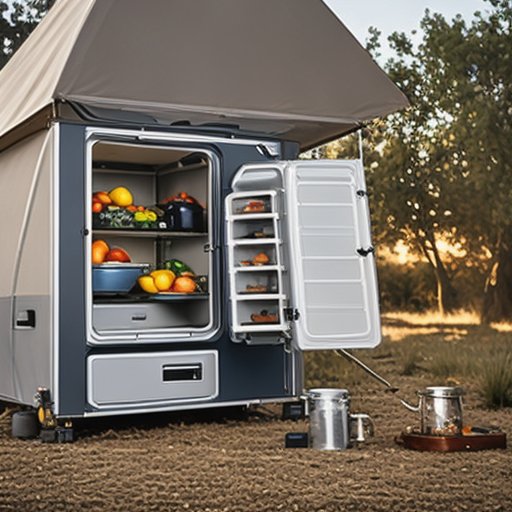
Are you going camping, living in a van or looking after a cabin far from the electrical grid? A solar refrigerator keeps your food cold using the energy of the sun, without depending on a wall socket. Here is how it works, which technologies exist and how to size an installation properly.
How does a solar refrigerator work?
A solar refrigerator uses the sun's energy to produce cold. A typical setup has four parts: photovoltaic panels, a charge controller, a battery and a low-voltage refrigeration system. The panels turn light into electricity, the controller protects the battery, the battery stores the energy, and the refrigeration system uses it to keep things cold, including at night or on cloudy days. The way cold itself is produced is the same as in a standard appliance, explained in our article on how a refrigerator works.
Compressor, absorption or Peltier?
Not all electric coolers are equal. Three technologies coexist:
- Compressor (12/24 V direct current): the most efficient option for solar use. These units draw little power, genuinely reach temperatures below 0 °C and accept solar, 12/24 V or mains power. This is the preferred choice for vans and camping.
- Absorption: silent and with no moving parts, it runs on gas, 12 V or mains, but uses more electricity and copes poorly with heat. To compare the two, see our article on choosing between a compressor and an absorption refrigerator.
- Thermoelectric (Peltier effect): cheap but weak, it only cools to about 15 to 20 °C below the ambient temperature and consumes a lot for a modest result. We explain it in our article on the Peltier module.
For real autonomy on solar panels, a DC compressor refrigerator is almost always the best choice.
The advantages of the solar refrigerator
The first advantage is autonomy: it does not depend on the grid, which makes it ideal for camping, a boat, a van or a mountain cabin. It is also environmentally friendly when powered by the sun, as it emits no greenhouse gases in use. Finally, these appliances are usually rugged and built to withstand vibration and bad weather.
One lesser-known use shows how reliable this technology can be: solar direct-drive refrigerators (which have no battery and instead use the incoming energy to freeze cold packs) are prequalified by the World Health Organization to store vaccines in regions without reliable electricity.
Sizing your installation properly
A few points make the difference between a system that holds up and one that fails on the first cloudy day:
- Size the panels and battery according to the appliance's real consumption and the local sunshine, with a margin for grey days.
- Look after insulation and avoid opening the door too often, since every opening lets heat in.
- Place the refrigerator in the shade but the panels in full sun, and let air circulate around the compressor.
- Keep the appliance well filled, as the cold mass helps stabilise the temperature.
These habits echo our more general advice on reducing a refrigerator's energy use.
Conclusion
The solar refrigerator is a reliable, eco-friendly way to keep food cold off the grid, provided you choose the right technology (ideally a DC compressor) and size the installation carefully. To explore other options, see our overview of future fridge technology.
Source: solar direct-drive refrigerators for the vaccine cold chain (WHO).