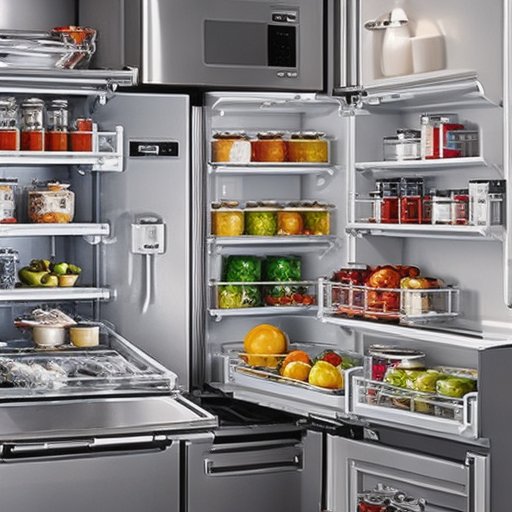
A well-organised refrigerator is not just about looks. It is a practical way to gain space, find your food faster and keep it fresh for longer. Here are simple, effective tips to optimise your refrigerator space without sacrificing proper food storage.
Understand the Cold Zones Before You Store
A refrigerator is not the same temperature everywhere. Because cold air is denser, it sinks: in a static-cooling fridge the coldest zone is at the bottom, just above the crisper drawers, while the top and the door are milder. In no-frost (fan-assisted) models, the temperature is more even from shelf to shelf.
Set the appliance to around 4 to 5 °C. That range slows bacterial growth without freezing fresh produce; the UK Food Standards Agency recommends keeping your fridge at 5 °C or below. Knowing these zones lets you place each food where it belongs and avoid storage habits that waste space. For a deeper look, see our guide to the ideal temperature for each refrigerator zone.
Use Storage Bins and Accessories
Clear bins and baskets are one of the best ways to gain room. They let you group foods by category (sauces, dairy, leftovers, snacks) and pull out a whole group in one move, instead of digging through the back of the fridge. A dedicated leftovers bin kept in plain sight also cuts waste: you eat what you see.
Think about dividers, stackable boxes and turntables too, so you make use of the height and depth of shelves, which are often underused. Airtight, regular-shaped containers stack better than mismatched packaging and keep odours contained.
Store Each Food in the Right Zone
Placing food where it belongs prevents guesswork and leaves fewer wasted gaps:
- Coldest zone (lower shelves): meat, fish, cold cuts and fresh dairy, which need the most cold.
- Middle and upper shelves: cooked foods, covered leftovers, sauces and opened products that tolerate a slightly milder temperature. See also which foods to put on the upper shelves.
- Crisper drawers: fruit and vegetables that dry out easily, protected in a humidity-controlled compartment.
Logical storage stops forgotten duplicates piling up at the back and frees space automatically. For a full method, follow our guide to organising your fridge.
Use the Door Wisely
The door is the least cold part and the most exposed to temperature swings each time you open it. Reserve it for less sensitive items: drinks, condiments, mustard, juice. Avoid storing eggs, milk or dairy there, as they need a stable temperature. Used well, the door offers valuable storage without crowding the main shelves.
Do Not Overcrowd Your Refrigerator
An overloaded fridge blocks cold air from circulating, cools less effectively and pushes the compressor to consume more. Leaving a little space between items improves airflow and efficiency. Never block the ventilation vent at the back of the appliance.
Optimising space does not mean filling every centimetre, but organising smartly. An almost empty fridge is not ideal either, as it holds a lot of air to cool constantly: on that point, see our comparison of an empty versus a full fridge.
Conclusion
Optimising your refrigerator space comes down to three habits: understand the cold zones, use bins to group items, and avoid overcrowding to preserve airflow. These simple steps keep food fresh for longer, make meal preparation easier and lower your electricity bill.
To check your temperature settings, the UK Food Standards Agency chilling guidance is a reliable reference. Join us soon for more tips on Refrigerator.ch.