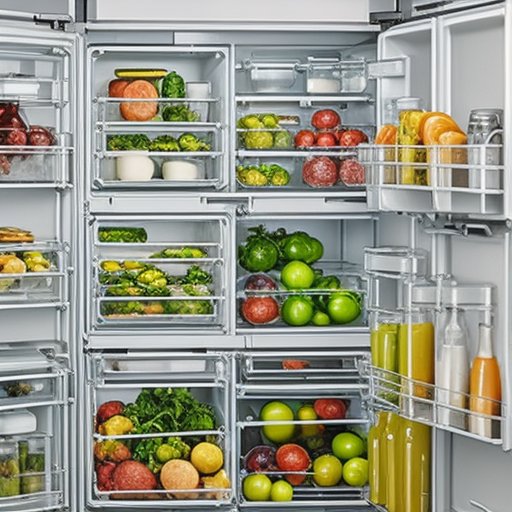
Why Organising Your Fridge Matters
A well-organised refrigerator makes a real difference in your kitchen. It makes food easier to find, cuts down on waste and, above all, helps preserve freshness. The reason is simple: inside a single appliance, the temperature is not uniform. Storing each food in the zone that suits it means it lasts longer and stays safer to eat.
Here is how to do it, step by step, taking cold zones, hygiene and air circulation into account.
Understand the Cold Zones
In a conventional fridge (static cooling), cold air is heavier and sinks to the bottom. This creates several zones:
- The bottom, just above the crisper drawers: the coldest zone, around 2 to 3°C. Reserve it for the most perishable foods: raw meat, fresh fish and deli meats.
- The middle: about 4 to 5°C. Ideal for dairy products (yoghurt, cream, cheese) and cooked dishes.
- The top: slightly milder, between 5 and 8°C. Perfect for foods that tolerate a little more warmth, such as cooked leftovers, sauces or opened jams.
- The door: the warmest spot and the one most affected by temperature swings each time you open it. Keep it for condiments, butter and drinks, but avoid storing milk or eggs there.
- The crisper drawers: more humid, designed for fruit and vegetables.
Food-safety authorities recommend keeping the overall temperature at or below 4 to 5°C. For a zone-by-zone breakdown, see our guide to the ideal temperature for each fridge zone.
Good to know: on ventilated or No Frost models, the temperature is far more even. The zones still exist, but the differences between them are much smaller.
Clean Before You Organise
Before you start arranging anything, make sure your fridge is clean. Remove all food and clean the shelves and drawers with warm, lightly soapy water, then rinse and dry. Regular cleaning limits odours and bacterial growth. For a full method, see how to clean your refrigerator effectively.
Group Similar Foods Together
Store similar foods together so you can spot them at a glance: dairy in one place, deli meats in another, drinks together, and so on. This habit prevents items from being forgotten at the back of the fridge and makes it easier to track expiry dates.
Ready-to-Eat Foods on Top, Raw Meat at the Bottom
Ready-to-eat foods (cheese, leftovers, cooked dishes) belong on the upper or middle shelves. Raw meat, poultry and fish go in the coldest zone, at the bottom. This is not only about temperature: it also stops juices from raw meat dripping onto food you will eat without cooking, a common cause of cross-contamination. To dig deeper, read which foods to store on the upper shelves.
Use the Door for the Least Fragile Foods
Since the door is the warmest and least stable zone, keep it for products that cope well with it: mustard, ketchup, sauces, juices and butter. Contrary to a widespread habit, milk keeps better in the body of the fridge, where the temperature is steadier, than in the door.
Store Fruit and Vegetables Separately
Fruit and vegetables have different needs and ripen at different rates. Some fruits (apples, pears, tomatoes) release ethylene, a gas that speeds up the ripening of nearby produce and makes it spoil faster. Keep them in separate drawers. Our article on fruits and vegetables you should never store together explains which pairings to avoid, and what belongs in the crisper drawer rounds out the topic.
Choose Transparent Containers
Transparent, airtight containers let you see the contents without opening them. They protect food from drying out, stop odours from spreading and help you spot what needs eating first. It is a simple but very effective habit against waste.
Do Not Overload Your Fridge
An overloaded appliance cools poorly: cold air needs to circulate around the food. Conversely, a nearly empty fridge warms up quickly every time you open it. Aim for a balanced fill and leave space between items, especially near the ventilation grille at the back.
Conclusion
Organising your fridge takes a little time at first, but the payoff lasts: food that keeps longer, less waste and a calmer kitchen. Remember the essentials: meat and fish at the bottom, dairy in the middle, sturdier foods on top and in the door, fruit and vegetables in their drawers, and never overload. To go further, our detailed fridge storage guide covers each zone in depth.
Useful source: USDA Food Safety and Inspection Service, refrigeration and food safety.